Generative Engine Optimization (GEO): The 2026 Playbook for AI Visibility
Generative Engine Optimization (GEO) is the practice of structuring content so AI systems can discover, understand, and cite it. This is the definitive playbook for 2026. Whether you're starting fresh or refining an existing program, this guide gives you the scorecard, the metrics, and the 90-day plan to build AI visibility.
What You'll Get
- A clear definition of GEO and how it differs from SEO and PR
- The 10-point GEO Scorecard you can use today
- Citation velocity: what it is and how to measure it
- The "Answer Key" format for citable content
- A 90-day phased rollout plan
- A GEO Content ROI Calculator
"GEO is not a trick. It is making your site easier to trust, easier to cite, and easier to verify."
— Bob Generale, Partner & COO, Pyra

What is Generative Engine Optimization (GEO)?
DEFINITION
Generative Engine Optimization (GEO) is the practice of structuring digital content so AI systems—like ChatGPT, Perplexity, and Claude—can discover, parse, and cite it accurately. Unlike traditional SEO, which focuses on search rankings, GEO focuses on earning citations in AI-generated answers. It combines content structure, entity coverage, and third-party validation.
ChatGPT can browse the web and provide links to sources for timely answers. This means being "retrievable" matters. But retrieval alone isn't enough. AI systems need to trust your content enough to cite it with attribution. That's the goal of GEO.
GEO is not about gaming algorithms. It's about making your expertise visible to AI systems that increasingly mediate how buyers find solutions. The better your content structure, the more likely AI will recommend you.
GEO vs SEO vs PR: How the System Really Works
SEO gets you discovered
Search Engine Optimization makes your pages visible in traditional search results. It's about rankings, clicks, and traffic. SEO remains essential—it's the foundation. Good technical SEO (crawlability, speed, mobile optimization) is prerequisite for both SEO and GEO success.
GEO gets you cited
Generative Engine Optimization focuses on AI citations. When someone asks ChatGPT about your category, GEO determines whether your brand appears in the answer. It's about structured content, entity presence, and trustworthiness signals that AI systems recognize.
PR makes you believable
Muck Rack research analyzing over 1M AI-cited links reports most citations come from non-paid or earned sources, with journalism especially important for recency queries. Third-party validation—media coverage, analyst mentions, review site presence—increases your credibility to AI retrieval systems.
| Approach | Primary Goal | Key Metrics | Time to Impact |
|---|---|---|---|
| SEO | Search rankings and organic traffic | Rankings, clicks, sessions | 3-6 months |
| GEO | AI citations and brand mentions | Citation velocity, branded search lift | 60-90 days |
| PR | Third-party credibility and trust | Media mentions, share of voice | Ongoing |
The GEO Scorecard: 10-Point Checklist
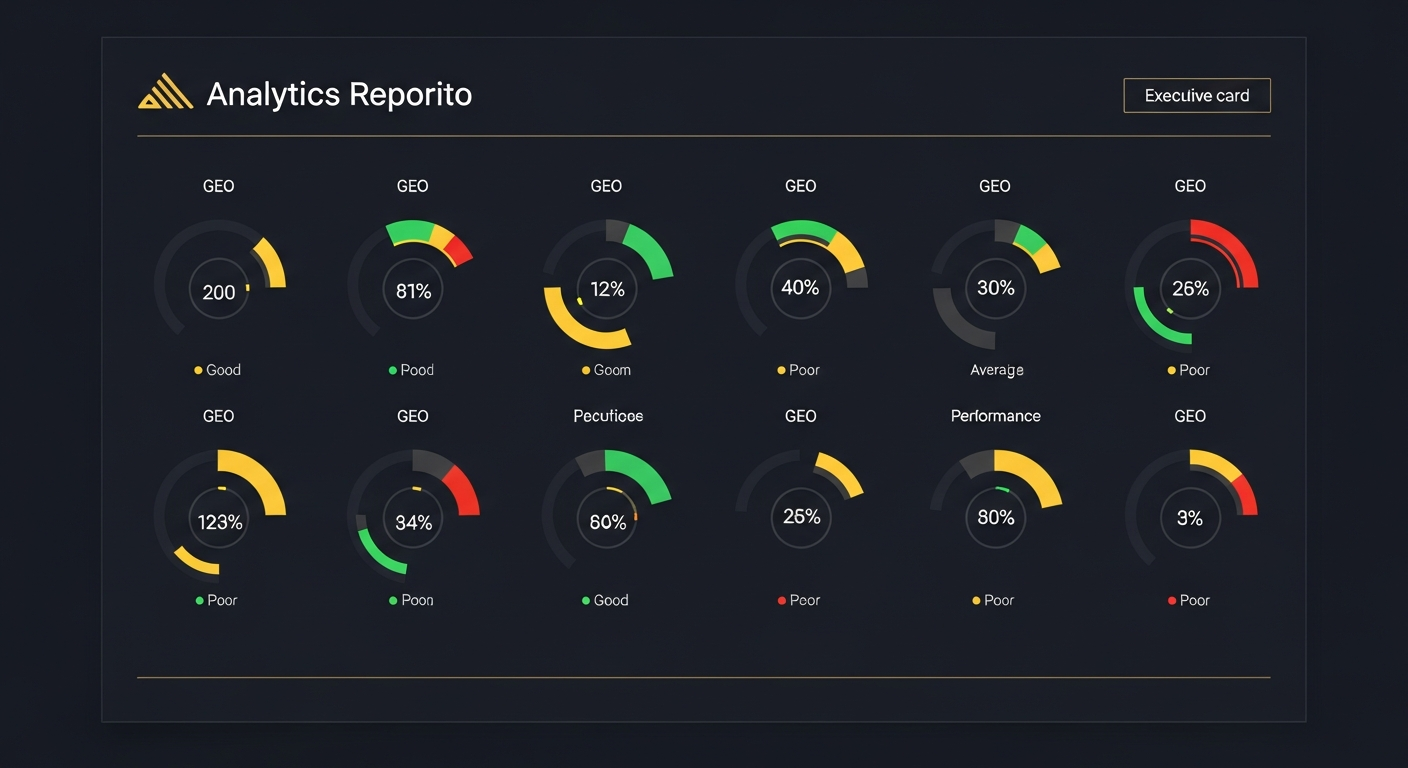
Use this scorecard to assess your current GEO readiness. Score each item 0-10 based on your current state. A score above 70 indicates strong GEO foundations. Below 50 means significant work ahead.
Crawlability
All important pages are crawlable. No blocking via robots.txt or noindex. Fast page load times.
Answer Blocks
Every page has 40-60 word definitions under H2s that AI can extract and cite directly.
Tables & Comparisons
Structured tables on key pages. Comparison matrices. Specification lists. AI loves structured data.
Entity Coverage
Brand mentioned in trusted external sources. Present where AI systems look for validation.
Third-Party Validation
Media mentions, analyst coverage, review site presence. Earned sources dominate AI citations.
Structured Data
Article, FAQPage, Product, and Organization schemas implemented correctly.
Freshness Cadence
Regular content updates. Dated content. AI systems favor recent, maintained sources.
Brand Consistency
Same brand description everywhere. Consistent positioning across all channels.
Reputation Hygiene
Active management of what's said about you. Factual rebuttals to inaccurate claims.
Conversion Pathway
Clear CTAs on every page. Simple paths from content to demo/trial. Capture the visibility you earn.
GEO Scorecard Assessment Example
Source: Pyra GEO Scorecard methodology, 2026
Citation Velocity: The Leading Indicator
DEFINITION
Citation velocity measures how often your brand is cited across AI-generated answers over a defined period, typically 30 days. It's a leading indicator of GEO success. Higher citation velocity means more brand exposure in AI interfaces where traditional clicks don't apply.
Research on AI citation patterns shows non-paid sources dominate citations. This means earned media, quality content, and third-party validation matter more than advertising spend for AI visibility.
"Visibility is a lagging indicator. Citation velocity is the leading indicator."
— Bob Generale, Partner & COO, Pyra
To measure citation velocity, regularly test prompts relevant to your market across AI platforms. Track how often your brand appears. Build a prompt library and test monthly. The trend matters more than any single data point.
The "Answer Key" Format
Every page should follow this structure to maximize citability:
H2 question + 40-60 word direct answer
Each major section should open with a question-oriented H2 followed immediately by a direct answer. No preamble. No throat-clearing. The answer first.
3 bullets: what it is / why it matters / who it's for
After the answer block, add three bullets that cover: what the concept is, why it matters to the reader, and who should care about it. This structure gives AI systems multiple angles to cite.
One table right after (AI loves structure)
Include a table near the top of each section. Comparison tables, feature matrices, or specification lists work well. Tables are highly structured data that AI systems can parse and cite with confidence.
Entity Coverage: The Part Most People Miss
GEO isn't just about your website. It's about being present in the places AI systems trust. Entity coverage means your brand appears in external sources that AI retrieves when answering questions.
As the data center marketing strategy framework demonstrates, pillar content on your site is just one piece. You also need presence in industry publications, review platforms, and news sources.
Muck Rack analysis confirms: AI citations skew heavily toward earned and journalistic sources. If AI only knows about you through your own website, you're at a disadvantage compared to brands with third-party validation.
Structured Data: So the AI Doesn't Guess
Google confirms structured data helps search engines understand content and enables rich results. The same principle applies to AI retrieval. Schema.org exists to help machines understand page meaning, not just words.
Article schema
Use Article schema for blog posts, guides, and thought leadership. Include author, publish date, and description. This is the baseline for most content.
FAQ schema
Add FAQPage schema whenever you have Q&A content. This helps AI systems understand the question-answer structure and cite specific answers.
Product/Software schema
For product pages, use Product or SoftwareApplication schemas. Include features, pricing (if public), and reviews where applicable.
The 90-Day GEO Rollout Plan
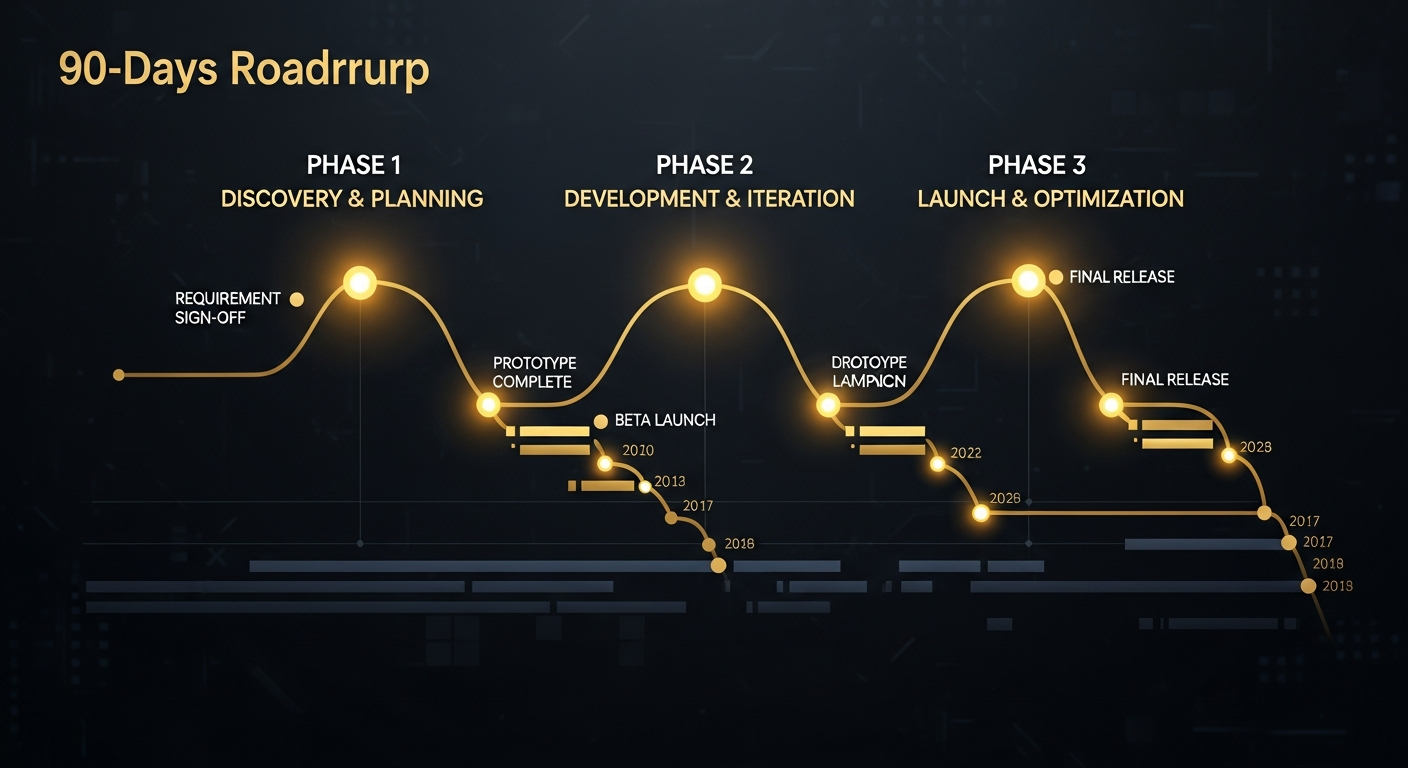
Days 1–30: 3 pillar pages + 12 micro pages
Start with foundation. Create 3 pillar pages covering your main topics. Each pillar should link to 4 supporting micro-intent pages. Total: 15 pages of structured, citable content. Focus on answer blocks, tables, and FAQ sections.
Days 31–60: PR + entity footprint
Shift focus to third-party presence. Pitch stories to relevant publications. Get listed in industry directories. Seek analyst coverage. Respond to journalist queries. Build the external footprint that AI systems trust. Life sciences marketing provides an example of regulated-industry entity building.
Days 61–90: Tools/calculators + conversion assets
Add interactive elements that keep visitors engaged. Calculators, assessment tools, and comparison frameworks. These assets get shared, linked, and cited. They also convert visitors into leads. AI sales agents can help operationalize the leads you generate.
Read more about AI positioning in this analysis of AI marketing in life sciences.
GEO Content ROI Calculator
GEO Content ROI Calculator
Estimate the annual impact of your GEO content investment. Results are estimates based on typical B2B conversion patterns.
Estimated Annual Impact
$600,000
Based on 120 pages/year × 0.5 conversions × $10,000/deal
GEO Investment vs Pipeline Generation
Source: Pyra customer cohort analysis, 2025
Key Takeaways
- GEO is distinct from SEO: SEO gets discovery; GEO gets citations
- Use the 10-point scorecard: Assess and improve systematically
- Citation velocity is your leading indicator: Track brand mentions in AI answers monthly
- Structure content for extraction: 40-60 word answer blocks, tables, FAQs
- Entity coverage matters: Be present in sources AI trusts
- Structured data removes guesswork: Article, FAQ, Product schemas
- Commit to 90 days: GEO compounds over time—start now
GEO Maturity Assessment
Evaluate your organization's AI visibility readiness
How structured is your content?
Technical SEO status?
AI visibility tracking?
Team GEO awareness?
Content publishing pace?
Frequently Asked Questions
What is the difference between GEO and SEO?
SEO optimizes for search engine rankings and clicks. GEO optimizes for AI citations and brand mentions in AI-generated answers. Both matter, but GEO focuses on structured content that AI systems can extract and cite with attribution.
How do I measure GEO success?
Track citation velocity (brand mentions in AI answers over 30 days), branded search lift, and direct traffic increases. Use AI prompt testing to monitor how often your brand appears in relevant answers. These are leading indicators of GEO impact.
Does structured data help with AI citations?
Yes. Structured data helps AI systems understand your content's meaning, not just its words. Google confirms structured data enables rich results. The same principle applies to AI retrieval: clearer signals mean more confident citations.
How long does GEO take to show results?
Plan for 90 days minimum. Content indexing takes 2-4 weeks. Citation patterns emerge over 60-90 days. Measurement requires consistency. GEO is a compounding investment, not a quick tactic.
Can small companies compete in GEO?
Yes. GEO rewards quality over scale. A focused content strategy covering your niche can outperform larger competitors with thin content. Start with 3 pillar pages and 12 micro-intent pages.
What content formats work best for GEO?
Definition blocks (40-60 words), comparison tables, FAQ sections, and structured lists. AI systems prefer content they can parse and cite directly. Add one table and one FAQ section to every page.
How important is third-party validation for GEO?
Very important. Research shows AI citations skew toward earned and journalistic sources. Third-party mentions in publications, reviews, and industry reports increase your credibility to AI retrieval systems.
Should I focus on GEO or SEO first?
Start with SEO fundamentals: crawlability, site structure, page speed. Then layer in GEO elements: answer blocks, tables, structured data. GEO builds on SEO—they're complementary, not competing strategies.
What is citation velocity and why does it matter?
Citation velocity measures how often your brand is cited in AI answers over a period (typically 30 days). It's a leading indicator of visibility. Higher velocity means more brand exposure in zero-click environments.
How do I improve my entity coverage?
Get mentioned in trusted sources: industry publications, review sites, news outlets. Create Wikipedia-style factual content. Maintain consistent brand descriptions across all platforms. Entity coverage is about where you appear, not just what you publish.
Ready to implement GEO for your brand?
Start with professional GEO services or use Pyra's AI agents to operationalize your content strategy at scale.