AI-Powered Lead Scoring Tools: How to Prioritize Prospects That Convert
AI-powered lead scoring tools use machine learning to rank prospects by conversion likelihood. Learn how they work, what to look for, and how to implement them.
AI-powered lead scoring tools have fundamentally changed how B2B companies prioritize prospects. Traditional lead scoring—assigning points for job titles, company size, and page visits—was always a proxy for something we really wanted to know: which leads will actually buy? At Pyra, we have seen teams waste months chasing high-scoring leads that never converted and ignoring lower-scored leads that were ready to close.
This guide explains how modern AI-powered lead scoring tools work, what separates effective systems from expensive experiments, and how to evaluate vendors. Our sales automation solutions incorporate AI lead scoring as part of a complete outreach system.
How AI-Powered Lead Scoring Tools Work
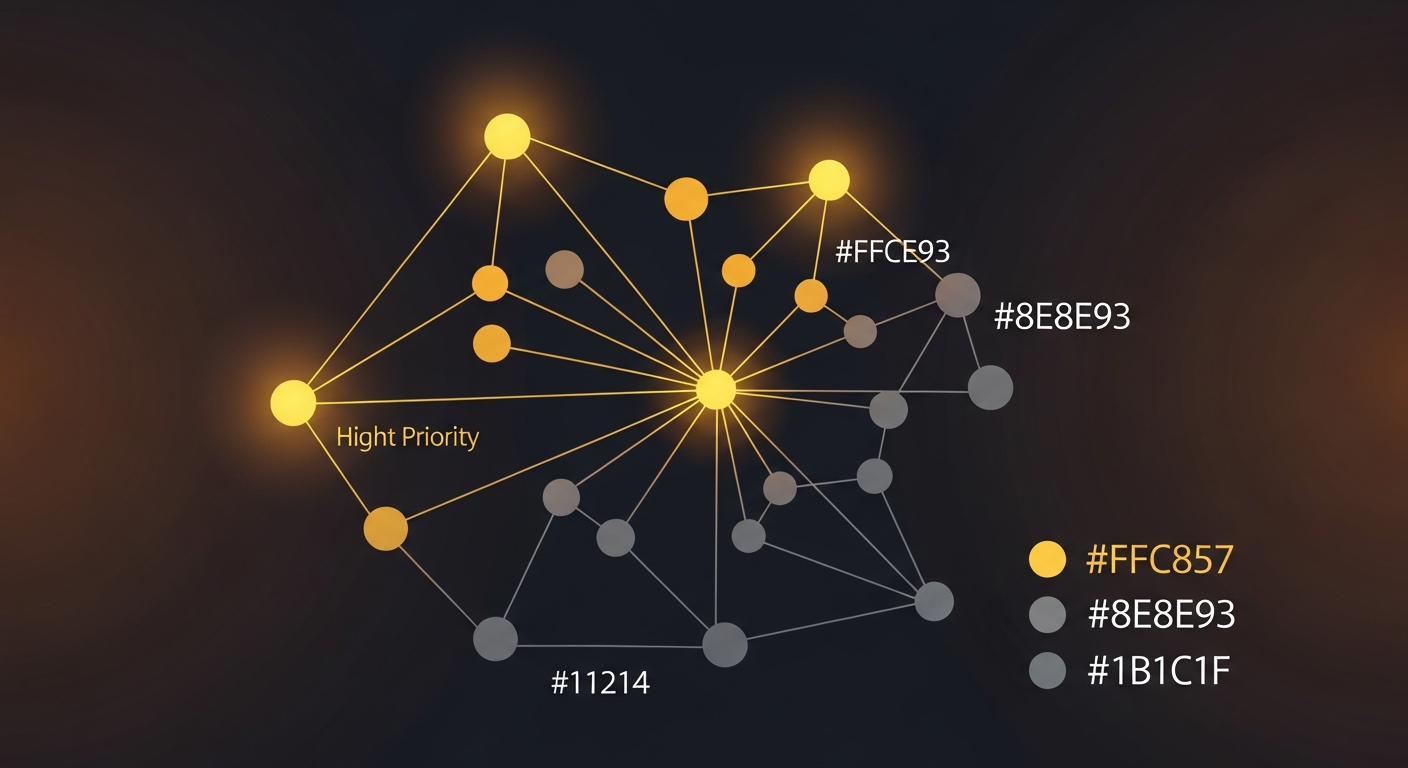
AI-powered lead scoring tools analyze hundreds of data signals simultaneously to predict conversion likelihood. Unlike rule-based systems that assign fixed point values, AI models learn from your historical data—wins, losses, and no-decisions—to identify patterns that correlate with actual revenue.
The best AI-powered lead scoring tools incorporate multiple signal types:
- Firmographic signals. Company size, industry, growth stage, funding status, and technology stack.
- Behavioral signals. Website visits, content downloads, email engagement, demo requests, and pricing page views.
- Intent signals. Third-party data indicating research activity, competitor evaluations, and buying intent across the web.
- Relationship signals. Past interactions, support tickets, prior purchases, and network connections.
- Trigger signals. Funding rounds, leadership changes, expansion announcements, and technology changes that create buying windows.
Why Traditional Lead Scoring Fails
Rule-based lead scoring systems fail for three fundamental reasons:
1. Static models. Traditional scoring assigns fixed weights to signals. A Director title always gets 10 points. A demo request always gets 20 points. But these weights were set when the model was built and never adapt to changing market conditions or your evolving ICP.
2. Correlation without causation. High-scoring traditional leads look like buyers but do not always buy. Researchers, students, and competitors frequently trigger behavioral scoring events without any purchase intent.
3. Missing negative signals. Traditional scoring excels at adding points but often ignores signals that predict disqualification: wrong company size, no budget authority, competing vendor in place, or company stage mismatch.
According to Gartner, only 25% of leads are legitimate and should advance to sales. AI-powered lead scoring tools dramatically improve that ratio by filtering more effectively.
"The measure of a good AI-powered lead scoring tool is not how many leads score high. It is how accurately high scores predict closed revenue. Precision matters more than volume."
The Components of Effective AI-Powered Lead Scoring
1. Training Data Quality
AI-powered lead scoring tools are only as good as the data they train on. If your historical CRM data is inconsistent, incomplete, or biased toward a specific segment, your model will inherit those problems. Before implementing any AI scoring system, audit your data quality.
2. Feature Engineering
The signals you feed the model matter enormously. The best AI-powered lead scoring tools allow you to configure which data sources the model uses, weight certain signal categories, and incorporate external data like intent signals and trigger events.
3. Model Explainability
Black box AI scores create trust problems with sales teams. The best AI-powered lead scoring tools explain why a lead scored high or low. Sales reps need to understand the reasoning to act on the score effectively.
4. Continuous Learning
Markets change. ICPs evolve. The best AI-powered lead scoring tools update their models as new data comes in—wins, losses, and feedback from sales teams. Static models become stale within months.
How to Evaluate AI-Powered Lead Scoring Tools
- Prediction accuracy. Ask for precision and recall metrics on their validation data. A tool that says 90% accuracy without showing the math is selling confidence, not performance.
- CRM integration. Scores should write directly into your CRM in real time. Manual exports are not a solution.
- Explainability. Sales reps will not use scores they cannot understand. Require transparent reasoning for every score.
- Training data requirements. Most AI models need 1,000+ historical opportunities to train effectively. If the vendor claims effectiveness with less, ask how.
- Continuous retraining. Models should update as new closed/won data becomes available. Ask how often the model retrains and what triggers a retrain.
- Negative scoring. Effective AI-powered lead scoring tools penalize disqualifying signals, not just reward positive ones.
AI-Powered Lead Scoring Tools in Practice
Here is how the best B2B teams deploy AI-powered lead scoring:
- Routing decisions. High scores route to senior reps. Mid scores enter automated nurture. Low scores deprioritize or disqualify.
- Sequence timing. Outreach sequences activate differently based on score bands. High-score leads get faster follow-up and more personalized outreach.
- Pipeline reviews. Sales managers filter pipeline by score to focus coaching on opportunities with highest close probability.
- Marketing handoff. Marketing uses score thresholds to determine when a lead is "sales-ready," improving MQL quality and reducing friction at the handoff.
Learn more about complete lead generation systems in our guides on AI tools for lead scoring and ChatGPT for lead generation.
Conclusion
AI-powered lead scoring tools work when they are trained on clean data, integrated with your CRM, and explained clearly to sales teams. They fail when they operate as black boxes, train on bad data, or score in isolation from the rest of your revenue stack.
The companies generating the most revenue from AI-powered lead scoring are those who treat it as a system component—not a standalone tool. Score, route, sequence, and measure. Then iterate.